


 WhatsApp
Shipping from Dubai to Germany starts with one decision: air or sea. Air gets your cargo there in under a week but costs much more per kilo. Sea takes around five weeks and is usually the better value for anything bulky or heavy. This guide explains how to choose, what German customs will ask for, and the mistakes that most often hold shipments up. If you would rather have one team handle everything, our shipping to Germany from Dubai service covers pickup, UAE export clearance, freight and delivery.
Air or sea: which is right for your shipment?
The table below shows the usual differences. Transit times are typical and change with flight and sailing schedules, customs checks and how far inland your delivery address is.
| Factor | Air freight | Sea freight (FCL and LCL) |
|---|---|---|
| Door-to-door time | About 3 to 6 business days | About 28 to 36 days |
| Main German gateways | Frankfurt, Munich, Leipzig | Hamburg, Bremerhaven |
| How it is priced | Per chargeable kilo (actual or volumetric weight, whichever is higher) | Per cubic metre (LCL) or a flat rate per container (FCL) |
| Best for | Urgent, high-value or light cargo, samples, electronics | Heavy machinery, bulk orders, full household moves |
A simple rule of thumb: choose air freight from Dubai when speed matters more than cost or when the shipment is small and valuable. Choose sea freight from Dubai when the cargo is large, heavy or not urgent. Many customers split a move, sending essentials by air and everything else by sea.
What affects the cost
We do not quote prices in a blog post because they change with fuel, season and space on the vessel or aircraft. What you can control is what goes into the quote:
- Weight and volume. Air freight is charged on the higher of actual weight and volumetric weight (length x width x height in cm, divided by 6000). Bulky but light boxes can cost more than you expect.
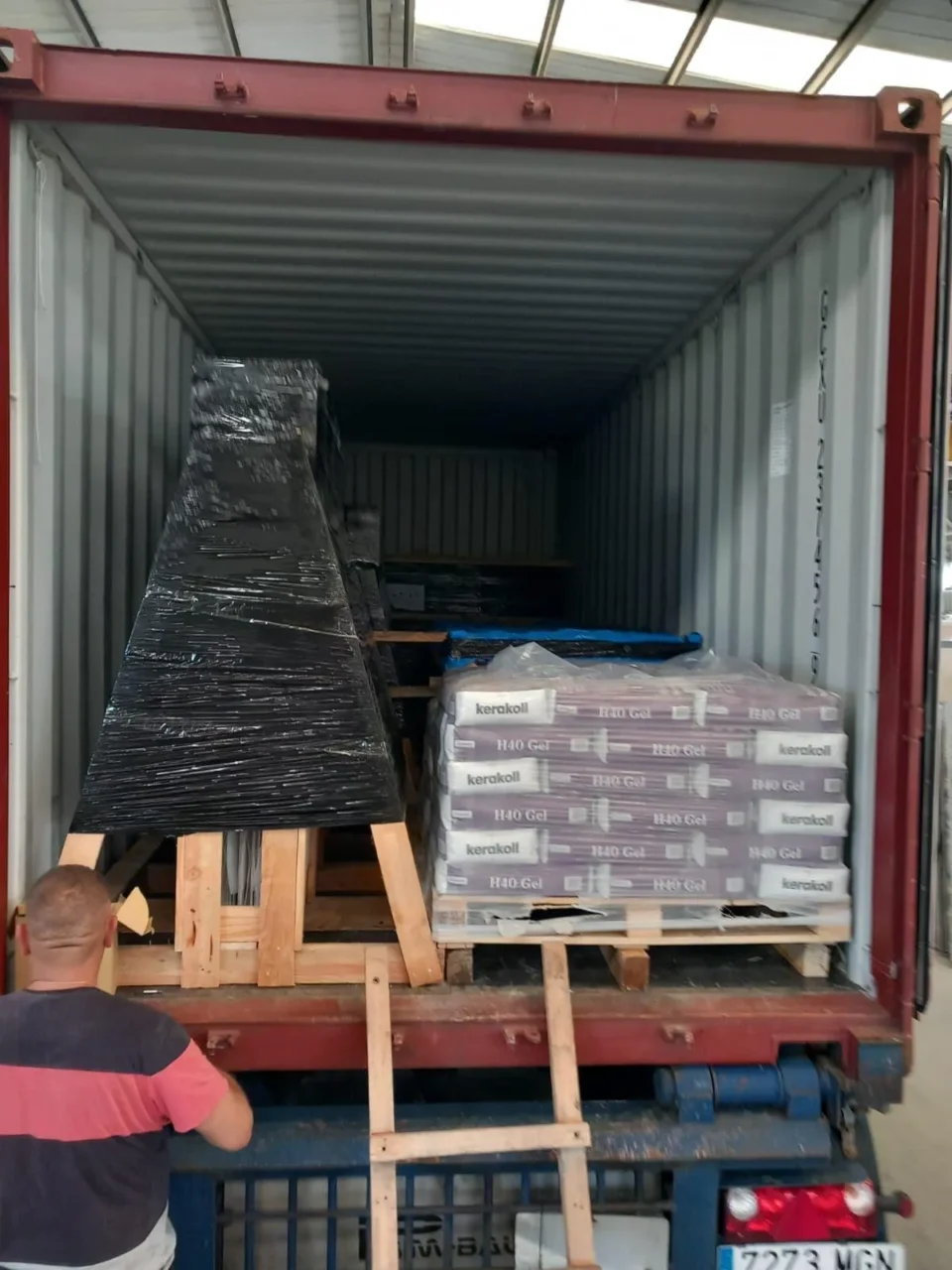
- Container choice. A shared LCL shipment is charged per cubic metre. A full container (FCL) is a fixed price and usually makes sense once you are shipping around 15 cubic metres or more.
- Packing. Proper crating adds cost up front but costs far less than a damaged item.
- Destination charges and taxes. Port or airport handling, customs duty, import VAT and inland delivery are often quoted separately.
- Insurance. Cover is optional but worth having for anything valuable.
Ask for a quote that lists origin charges, freight, destination charges and expected duties as separate lines. That makes two quotes easy to compare.
German customs and import VAT
German customs (Zoll) applies EU rules and handles declarations electronically through its ATLAS system. For commercial shipments, these are the points that matter most:
- EORI number. A business importing into the EU needs an EORI number to file customs declarations.
- Import VAT (Einfuhrumsatzsteuer). The standard rate is 19%, with a reduced rate of 7% for certain goods. It is generally based on the customs value (goods plus freight and insurance to the EU border) plus any duty.
- Commodity code. Every product needs the right customs code. The international code has six digits, and the EU tariff (TARIC) uses a longer one. A wrong code means the wrong duty rate.
- Documents. A commercial invoice, packing list and bill of lading or air waybill are the basics. Some products also need certificates or approvals.
If you are moving to Germany, used personal belongings can often be imported without duty and import VAT under relocation relief. The usual conditions are that you lived outside the EU for at least 12 months and that you owned and used the items before the move. Private individuals do not need an EORI number for personal effects, but you will need a passport, proof of your German registration and a detailed inventory. Rules and forms change, so we confirm the current requirements with a licensed German customs broker before shipping.
Agree the delivery terms early. Under DAP, the buyer pays duties and taxes on arrival. Under DDP, the seller pays them in advance. Mixing these up is a common reason for stuck cargo and surprise bills.
Sea freight: FCL or LCL?
Ocean cargo leaves from Jebel Ali and usually reaches Hamburg or Bremerhaven in four to five weeks, depending on routing and sailing schedules.
Full container load (FCL)
You get a 20ft or 40ft container to yourself, loaded in Dubai and opened at your destination. It suits large orders, machinery and full household moves, and it means your goods are not handled or mixed with anyone else’s along the way.
Less than container load (LCL)
Your boxes or pallets share a container with other shippers’ cargo, and you pay for the cubic metres you use. It is the economical choice for smaller, non-urgent shipments of roughly 1 to 10 cubic metres. Expect a few extra days for consolidation and deconsolidation at each end.
Packing for a long journey
Goods travelling to Germany go through port handling, sea motion and changes in temperature and humidity. Good packing prevents most damage claims.
- Use ISPM 15 treated wood. Wooden pallets and crates need the official heat-treatment stamp, or they can be refused or sent for treatment at your cost.
- Strap and wrap pallets. Strong strapping and stretch wrap stop loads from shifting during the crossing.
- Protect against moisture. Desiccant packs inside the container reduce condensation, which can ruin cartons and electronics on long sea trips.
- Label and list everything. A clear inventory with values makes customs checks faster.
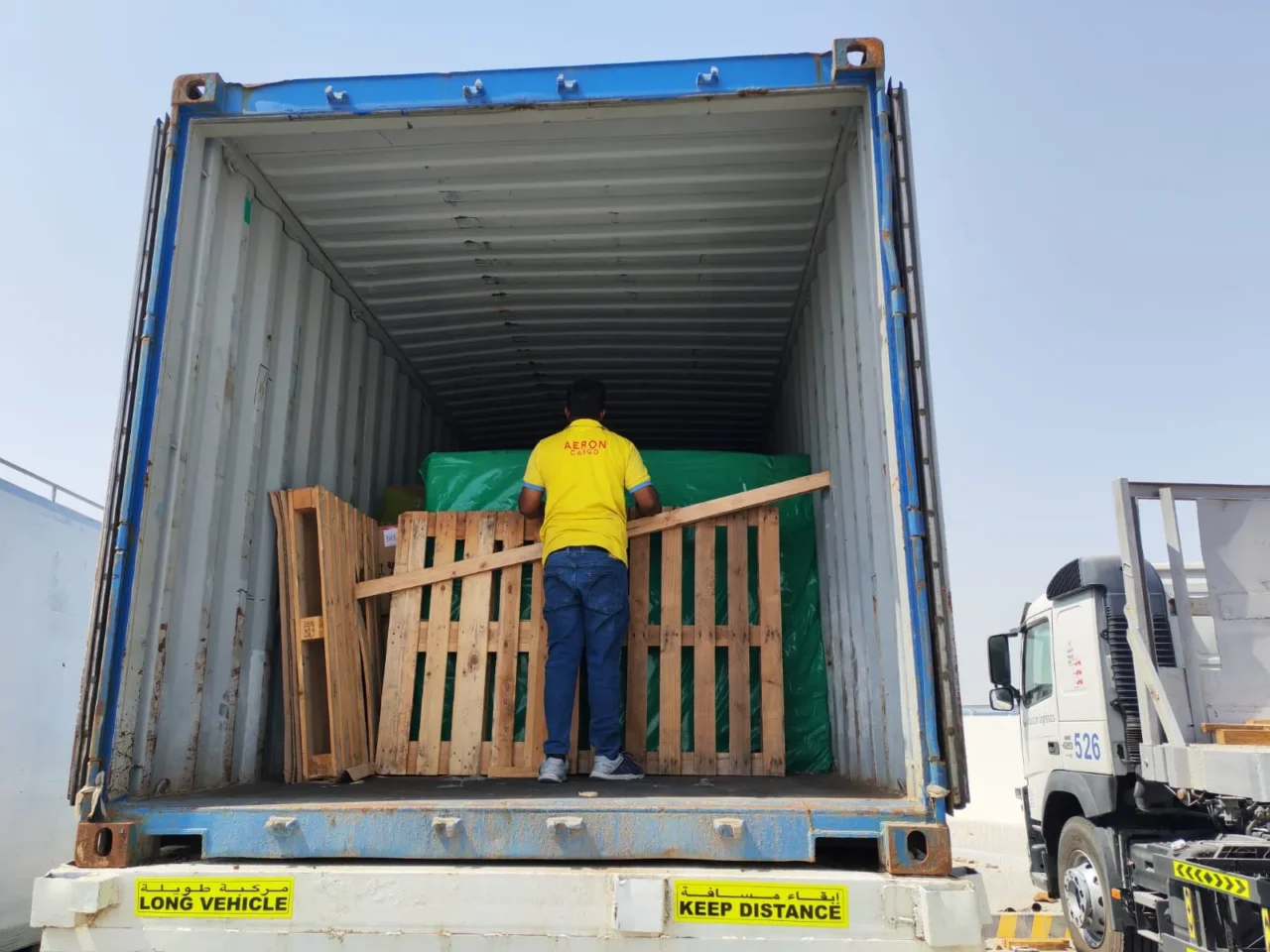
Our packing team can pack, palletise and crate on-site in Dubai, Abu Dhabi and Sharjah.
Common mistakes to avoid
- Using the wrong commodity code, which leads to the wrong duty and possible delays.
- Importing as a business without an EORI number in place.
- Sending untreated wooden pallets or crates.
- Under-declaring the invoice value, which can trigger inspections and penalties.
- Comparing air quotes by actual weight when the charge is based on volumetric weight.
- Not agreeing in writing who pays duties and taxes (DAP or DDP).
How door-to-door shipping works
A full door-to-door service from the UAE to anywhere in Germany usually follows these steps:
- Pickup from your warehouse, office or home in Dubai or Abu Dhabi.
- UAE export clearance and issue of the shipping documents.
- Transport by sea or air to Hamburg, Bremerhaven, Frankfurt or another German entry point.
- Customs declaration and clearance in Germany.
- Delivery by road to your address in Berlin, Munich, Cologne or elsewhere in Germany.
If your shipment includes a vehicle, see our car shipping service. For business shipments with customs paperwork on both sides, our import and export clearance team can prepare the documents before the cargo moves.
Frequently asked questions
How long does shipping from Dubai to Germany take?
Air freight usually takes 3 to 6 business days door to door. Sea freight to Hamburg or Bremerhaven usually takes about 28 to 36 days door to door.
What import VAT will I pay in Germany?
The standard rate is 19% (7% for certain goods), plus any customs duty for your product’s tariff code. Relocation relief may apply to used personal belongings if you meet the conditions.
Can I ship a car from Dubai to Germany?
Yes. Vehicles can go by container or RoRo from Jebel Ali to a German port. You will need the ownership papers, and the vehicle must meet German registration and technical requirements.
Do I need an EORI number to move my household goods?
No. Private individuals moving personal belongings do not need one. Businesses importing commercial goods do.