

 WhatsApp
Transportation is the part of logistics that moves goods from where they are made to where they are needed. Multi-modal transportation means using more than one mode, for example sea then road, or air then road, under one booking and one point of responsibility. This article explains why it matters, how to choose the right combination and what to ask a provider such as Aeron Shipping, a logistics company in Abu Dhabi.
What multi-modal transportation means
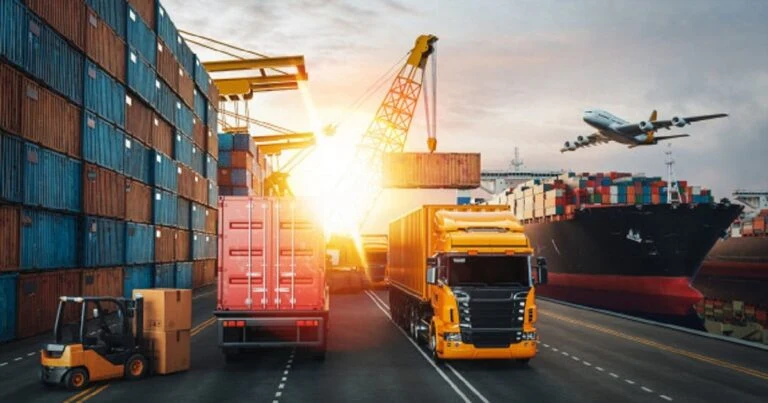
A multi-modal shipment travels by at least two modes of transport (road, sea, air or rail), usually under a single contract and a single transport document. The shipper deals with one provider, who coordinates each leg and handles the handovers. Compare this with booking each leg separately, where you manage every handover yourself and it is unclear who is responsible if goods are delayed or damaged.
Common examples from the UAE are a container trucked to Jebel Ali, shipped by sea and then trucked from the destination port to the buyer, or cargo flown to a hub airport and delivered by road to the final address.
Why businesses use more than one mode
- Cost control. Sea is usually the cheapest way to move large volumes over long distances. Road covers the first and last miles where ships cannot go.
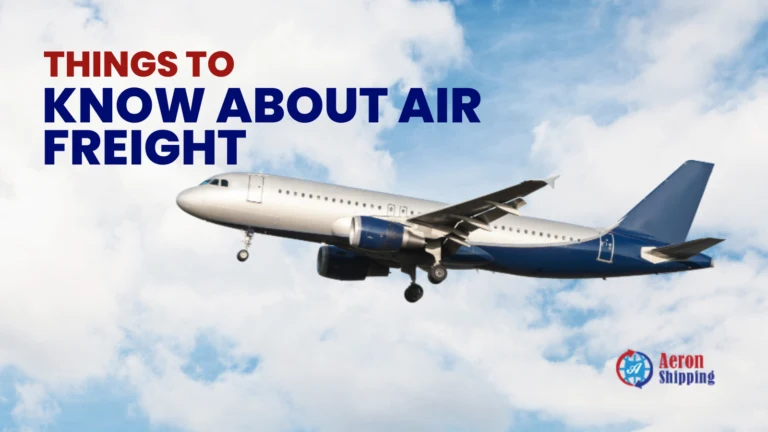
- Speed where it counts. Air can be used for urgent parts of an order, while the rest goes by sea.
- Reach. Road collection and delivery connect warehouses, shops and homes to ports and airports.
- Flexibility. If one route is delayed, a good provider can adjust the plan, for example by moving a delayed container to air for a critical order.
How to choose the right combination
Start with the shipment itself and work outwards:
- Urgency. If the goods are needed within days, air is needed for at least part of the journey. If you can wait weeks, sea is usually cheaper.
- Size and weight. Large, heavy cargo suits sea freight. Small, light, high-value goods suit air.
- Value and fragility. Valuable or delicate goods need more careful packing and often insurance, whichever mode you use.
- Destination. Check what is near the final address. Inland destinations often need a port or airport plus a road leg.
- Customs. Think about where customs clearance happens and who handles it. Missing documents are one of the most common causes of delay.
What a good transport system looks like
A reliable transport system does a few simple things well. Goods arrive at the agreed time. Damage is rare, because packing and loading are done properly. You can see where your shipment is. The cost is clear in advance, so you can plan your pricing and your cash flow. Customers notice this: when deliveries are reliable, they order again and they recommend you.
Common problems and how to avoid them
- Weak handovers. Delays often happen between modes, for example when a container arrives at a port before the truck is booked. Ask how the provider manages handovers.
- Unclear responsibility. Agree who is responsible at each stage, and make sure insurance covers the whole journey.
- Missing paperwork. Prepare the invoice, packing list and any permits before the cargo moves.
- Poor packing. Cargo that changes hands several times needs stronger packing than one that travels once.
Shipping beyond the UAE
If your goods are leaving the UAE, the same principles apply. For example, our shipping to the UK from the UAE service combines collection in the UAE, international freight and delivery in the UK, and our UK shipping page explains the options in more detail.
Transport efficiency with Aeron
Efficiency in logistics comes from the quality of the processes: how cargo is loaded, how routes are planned and how well the teams involved work together. If you are looking for cargo shipping companies in Abu Dhabi, ask each provider how they plan routes, who manages the handovers and how they keep you updated. Clear answers to these questions are a good sign that your cargo will arrive on time and in good condition.